What to Do When You Experience Pain or Discomfort
A Rehab Professional’s Guide to Moving with Confidence (Not Fear)
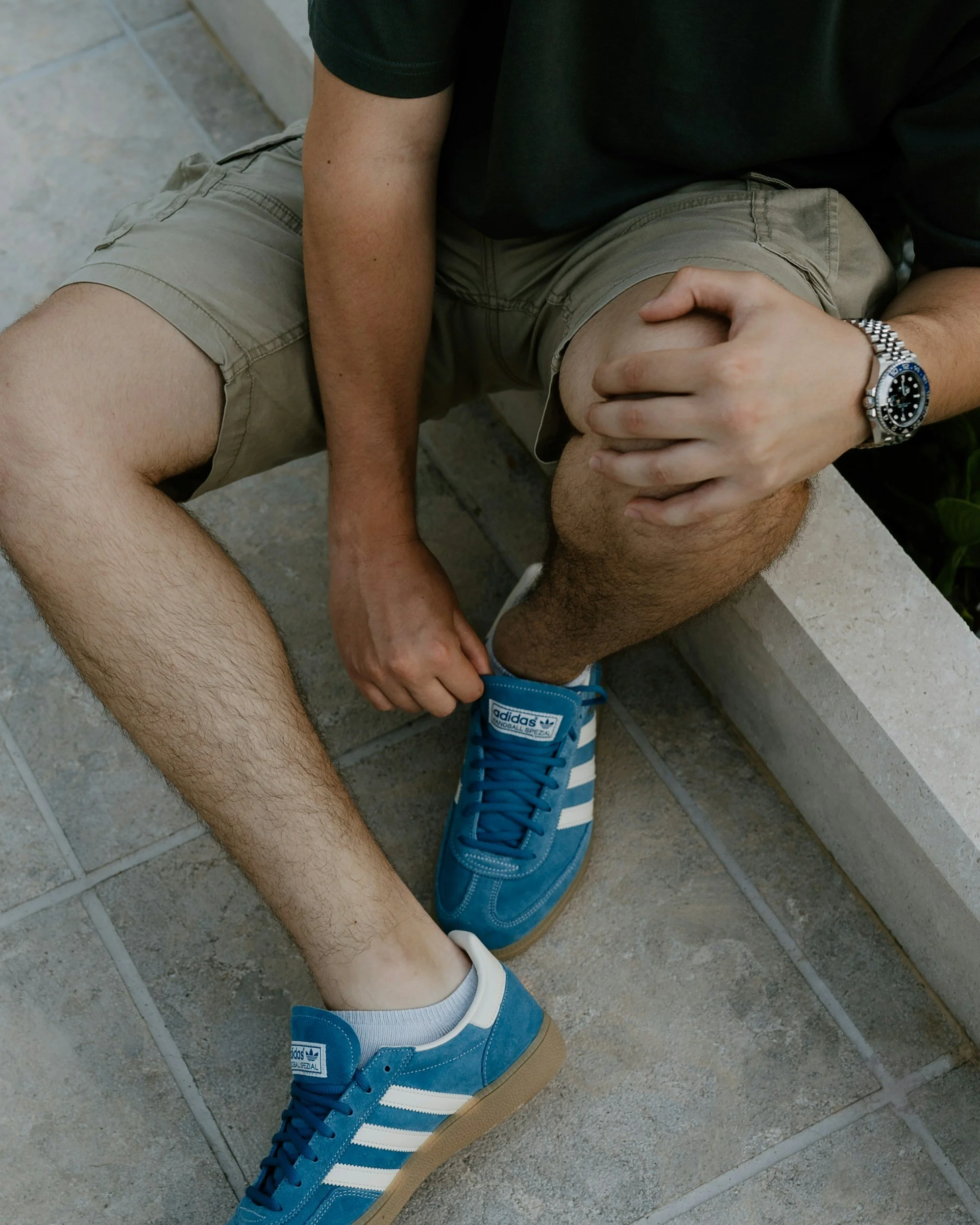
Pain is a universal human experience. Whether it’s a sharp twinge when you move a certain way or a dull ache that lingers for weeks, it can feel confusing, frustrating, and sometimes scary.
Most people respond in one of two ways:
Ignore it and hope it goes away, or
Stop moving altogether and “rest it off.”
Neither approach actually helps your body heal or build resilience.
As a rehab professional, my goal is to help you understand what pain is, why it shows up, and how to respond in a way that supports healing—not fear or avoidance. This guide will walk you through the truth about pain, how movement and rehab can help, and what to do next time discomfort shows up.
“Pain is a construct of the brain – 100% of the time.”
– Dr. Lorimer Moseley
What Pain Really Is (and Why It Doesn’t Always Mean Damage)
One of the biggest misconceptions about pain is this:
“If it hurts, something must be damaged.”
That’s not always true.
Pain is your body’s alarm system, controlled by your nervous system. It’s designed to protect you—not to give you a perfect readout of tissue damage.
Sometimes that alarm is accurate. Other times, it’s overly sensitive and “stuck on,” even when tissues are healthy.
Pain ≠ Always Damage
Your nervous system can become more sensitive when you’re:
Stressed or overwhelmed
Sleep-deprived
Anxious or fearful
Hyper-focused on the pain and worried about what it means
In these cases, pain can be “turned up” without any structural damage. This is especially true in chronic pain, where the nervous system continues to misfire and keep you in a pain loop.
Key idea:
You can feel a lot of pain even when nothing is “broken.”
When to Pay Attention (Without Panicking)
If your pain did not start with a specific trauma (like a fall, a twist, or an impact), there’s a good chance it’s your body asking you to pay attention—not to panic.
Ask yourself:
Did this come on gradually, without a clear incident?
Is it more of an ache, tightness, or stiffness than a sharp, ripping pain?
Can I still do most daily activities, even if they’re uncomfortable?
If the answer is “yes” to most of those, you’re likely dealing with a nervous-system sensitivity issue—not a catastrophic injury.
Why “Just Resting” Often Makes Pain Worse
When pain shows up, it’s very common to think:
“I’ll just rest until it goes away.”
Short-term rest is helpful after a clear injury (like a sprain or fracture), but prolonged rest can actually increase pain over time.
Your body is designed to move. When you stop moving:
Muscles weaken
Joints stiffen
Circulation slows
Your nervous system becomes more sensitive to activity
How Avoiding Movement Fuels the Pain Cycle
When you avoid certain movements or positions because they’re uncomfortable:
You lose strength and mobility in those ranges of motion
Your tissues “decondition” and become less prepared for normal daily loads
Your nervous system starts to interpret those positions as threatening
Example:
If you stop bending forward because your back hurts, over time your body becomes less capable of handling that motion. When you finally need to bend to pick something up, the nervous system may sound the alarm—not because you’re damaged, but because you’re unprepared.
This creates a cycle:
Pain →
Avoid movement →
Lose strength & mobility →
Nervous system gets more sensitive →
More pain with less activity
The Power of Gentle, Gradual Movement
The way out of this cycle is not more fear and rest—it’s graded, thoughtful movement.
Start small and controlled
Reintroduce positions and ranges of motion gradually
Allow your nervous system to “re-learn” that movement is safe
Key takeaway:
Avoiding movement doesn’t protect you—it makes you more vulnerable. Carefully chosen movement is one of the most powerful tools you have for reducing pain over time.
How Movement & Rehab Help You Break the Pain Cycle
This is where smart, guided rehab makes a difference. At Uplift, we don’t just chase symptoms—we help retrain your body and nervous system so you can move with more confidence and less fear.
Here’s how different tools and methods can help:
Manual Therapy
Hands-on work can:
Reduce muscle tension and guarding
Improve blood flow to sensitive tissues
Help your nervous system downshift out of “alarm mode”
It doesn’t “fix” you by itself—but it can create a window where movement feels more accessible.
NKT (NeuroKinetic Therapy)
NeuroKinetic Therapy uses specific movement tests to identify:
Overactive muscles that are “doing too much”
Underactive muscles that aren’t pulling their weight
By retraining these patterns, we help:
Improve coordination
Reduce compensations
Lower unnecessary stress on joints and tissues
Strength Training
Strength isn’t just for athletes—it’s a pain-management tool.
Good strength work:
Increases your capacity to handle daily loads
Makes your tissues more resilient
Helps your nervous system feel “safer” in more positions and activities
Think of strength as building a bigger buffer between you and pain.
Infrared Sauna
Infrared heat can support:
Increased circulation
Decreased muscle tension
A sense of relaxation and nervous-system calm
This can be especially helpful for people dealing with chronic tightness, stress-related pain, or recovery after heavier activity.
Mobility & Movement Training
Mobility work is where all of this comes together:
You rebuild range of motion
You reintroduce positions you’ve been avoiding
You practice moving into previously sensitive ranges with control and support
Together, these methods help you:
Reframe pain as information, not a verdict
Break the fear–avoidance–pain cycle
Build confidence in what your body can do
A Simple Step-by-Step Plan for Navigating Pain at Home
When pain shows up, it’s easy to get overwhelmed. Here’s a simple, practical framework you can use.
Step 1: Reflect on What Happened
Ask yourself:
Did this start after a clear event? (fall, twist, impact, awkward lift)
Is there swelling, bruising, or a sudden loss of strength or function?
Or did it gradually appear over time without a specific incident?
Generally:
Sudden trauma + big change in function → get things checked out.
Slow, nagging onset → more likely a sensitivity/overuse or capacity issue.
This post is educational and not a substitute for medical care.
If you’re unsure, or something feels “off,” get evaluated by a healthcare provider.
Step 2: Use the “Traffic Light System” for Movement
Instead of “all or nothing,” use this guide to decide what to do:
🟢 Green – Go
No pain with an activity? Keep doing it.🟡 Yellow – Proceed with Caution
Mild–moderate discomfort that doesn’t spike as you move?
Often safe to continue, as long as:It doesn’t worsen significantly during the activity
It doesn’t flare badly later that day or the next day
Yellow-zone pain is often part of the healing process and nervous-system desensitization.
🔴 Red – Stop
Sharp, stabbing, or rapidly worsening pain during a movement?
That’s your cue to back off that specific activity—for now.
Step 3: If You Suspect a Real Injury
If your pain started with a clear traumatic incident, manage it differently:
Protect, but don’t immobilize completely
Short-term support (brace, sling, etc.) can be helpful early on. Just don’t stay locked down for days or weeks.Use RICE (for the first 24–48 hours as needed)
Rest (short-term)
Ice
Compression
Elevation
Start gentle movement as soon as it’s reasonably comfortable
Even small, pain-managed motion can:Reduce stiffness
Improve circulation
Support better long-term recovery
Seek professional help if:
You can’t bear weight
You feel numbness, tingling, or weakness
The joint feels unstable or “gives out”
Pain is severe and doesn’t ease at all with rest
Step 4: Build Resilience, Not Fear
As symptoms ease:
Gradually increase your activity
Reintroduce positions you’ve been avoiding
Add strength and mobility work to build capacity
The goal isn’t just to “get out of pain.” It’s to make your body more resilient so that the next challenge doesn’t put you right back where you started.
Who This Approach Helps Most
This way of thinking about pain and movement is especially helpful if you’re:
Dealing with recurring back, hip, knee, or shoulder pain
Struggling with chronic pain that’s been labeled “non-specific”
Returning to exercise after a layoff, injury, or busy season of life
Feeling “tight” all the time, even though you stretch regularly
Tired of quick fixes and want a root-cause, movement-based approach
If you want someone to walk alongside you—to interpret your body’s signals, design a plan, and adjust it as you go—this is exactly what we do.
The Bottom Line
Pain is complex—but it doesn’t have to be mysterious.
Pain doesn’t always equal damage.
Total rest is rarely the long-term solution.
Thoughtful movement, strength, and nervous-system retraining are some of the most powerful tools you have.
When you view pain as information instead of a stop sign, you gain options. You can listen, adjust, and keep moving forward.
And you don’t have to figure it out alone.
Ready to Take the Next Step?
Book Your Intro Call
If you’re ready to understand the root cause of your pain and build a plan designed for your unique body, your journey starts with an Intro Call.
Try an Infrared Sauna Session
Looking for recovery support? Our infrared saunas help reduce inflammation, ease pain, and support mobility as part of a holistic plan.
About the Author
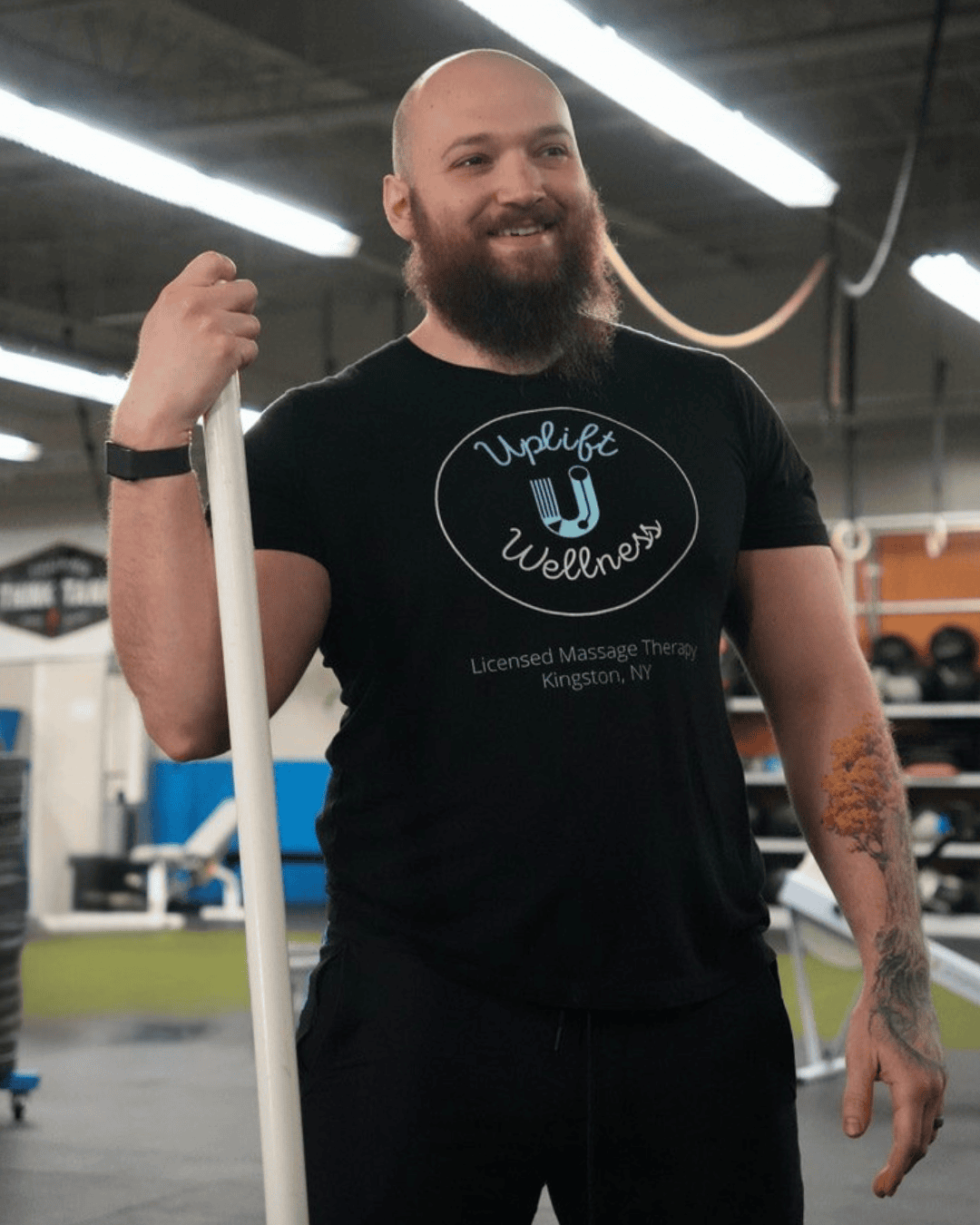
Mike is a Licensed Massage Therapist, movement specialist, and strength coach serving the Hudson Valley. He helps clients move beyond pain through personalized, root-cause-focused care combining manual therapy, NKT, and strength training.
Serving Kingston, Saugerties, Rhinebeck, Red Hook, Woodstock, Catskill & Poughkeepsie in the Hudson Valley.
Stay Connected. Keep Progressing.
Get expert tips on movement, strength, recovery, and pain relief straight to your inbox.
Short, practical insights designed to help you feel better between sessions.
⬇︎ Sign Up for the Newsletter below